 Rebecca Clarke
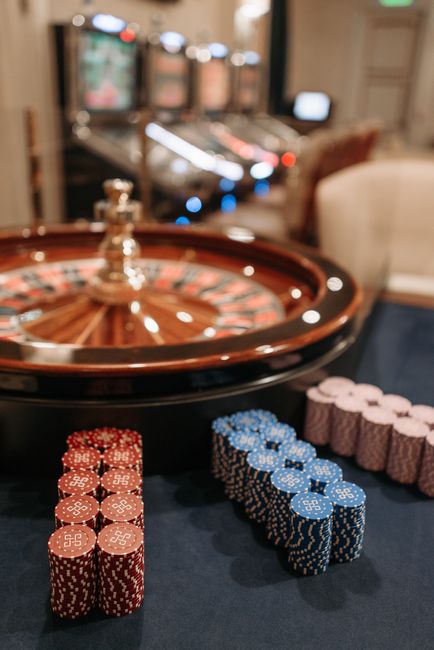
Two players sit down at the same online casino, load the same slot game, and spin for an hour. One walks away up 400 units. The other burns through their entire bankroll in fifteen minutes flat. Same game. Same RNG. Same odds. So what actually separated them? More often than not, it comes down to something most casual players never think about: volatility.
If you've ever picked a slot purely because the jackpot number looked impressive, or sat at a poker table you had no business being at because the blinds were cheap, this article is for you. Let's break down the mechanics that actually decide whether a session feels fun or feels like bleeding money.
Volatility Isn't a Buzzword — It's Your Bankroll's Fate
Volatility (sometimes called variance) describes how a slot distributes its payouts over time. A low-volatility game like Starburst or most classic 3-reel titles pays small amounts frequently. You'll rarely go more than ten spins without a hit, but those hits are modest. High-volatility games like Money Train 3 or San Quentin can go 200+ spins cold, then suddenly land a 2,000x multiplier that makes your entire session profitable in one drop. A detailed guide is available at สล็อตเว็บตรง.
Here's the trap: streamers and casino marketing push high-volatility games because the wins look spectacular on camera. What you don't see is the twenty-minute dead stretch before the bonus triggered. If you load a 96% RTP high-volatility slot with a 50-unit bankroll, you are statistically likely to bust before the variance swings your way. That's not bad luck — that's math doing exactly what it's supposed to do.
A rough rule of thumb worth remembering:
- Low volatility: 100+ spins of bankroll minimum. Good for grinding, bonus clearing, or just relaxing.
- Medium volatility: 200+ spins. The sweet spot for most recreational players.
- High volatility: 300–500+ spins. Only play these if you're genuinely comfortable losing the whole session stake.
Notice those estimates are in spins, not money. The number of spins matters more than the stake size because variance plays out over sample size. A 1-unit spin on a high-volatility slot is statistically identical to a 10-unit spin, just scaled.
RTP Is Not a Promise — It's a Long-Term Average
Return to Player percentage gets quoted constantly, and it's almost always misunderstood. A 96% RTP does not mean you'll get 96 units back from every 100 wagered. It means that if you played ten million spins, the total returned would converge to roughly 96% of total wagered. Individual sessions have almost nothing to do with the RTP figure.
Where RTP becomes genuinely useful is comparison shopping. Two slots with identical themes and volatility profiles but RTPs of 94% and 97% will deliver meaningfully different long-run outcomes. Over 10,000 spins at 1 unit each, that 3% gap is 300 units — real money. Before committing to a slot, especially one you plan to grind, check the RTP in the paytable. Some providers publish multiple versions with different RTPs for different markets, and the lower version often gets served to players who don't check.
Poker: Where Volatility Hides Behind Skill
Poker players often sneer at slots because they believe skill insulates them from variance. It doesn't — it just delays the reckoning. A winning player can absolutely lose money over 50,000 hands. The edge in poker is thin, typically 2–5 big blinds per 100 hands for a solid winner at mid-stakes, while variance over that same sample can swing tens of thousands of blinds.
The practical takeaway is bankroll management, and it's the one area where poker players consistently out-discipline casino players:
- Cash games: 20 buy-ins minimum for the limit you play. 50 is safer if you're playing professionally or want immunity from short-term swings.
- Tournaments: 100 buy-ins is the classic standard. Tournaments have extreme variance because you must run deep repeatedly just to break even on entry fees.
- Never play above your roll to chase losses. This is the single most common way competent players go broke.
Compare that to how most slot players approach bankroll — deposit 50, spin 5 per spin, and call it a night. That's not necessarily wrong for entertainment, but it's worth being honest about which category you're in. If you're playing for fun, treat the money as gone the moment you deposit. If you're trying to win, apply poker-style discipline across every game type.
Bonus Buy Features Change the Math Quietly
Modern slots increasingly offer bonus buy options, letting you skip straight to the free spins round for a fixed price — usually 50x to 200x your base bet. Providers are transparent that bonus buys typically carry slightly worse RTP than grinding to the feature naturally. That's the cost of skipping variance, and it's usually worth understanding before you tap that button.
Two things to check before buying any feature:
- The stated bonus buy RTP. If the slot's base RTP is 96% but the buy RTP is 94%, you're paying 2% for the convenience.
- The payout range. A 100x buy that returns 20x most of the time and 5,000x rarely is a lottery ticket. Know that going in.
Bonus buys are not scams, but they compress variance into a single click. If you wouldn't bet that full amount on one spin, think twice.
A Better Mental Model for Bankroll
Stop thinking about bankroll as money and start thinking about it as spins or hands you can absorb. That single reframe fixes most of the mistakes recreational players make. A player with 500 spins in their bankroll can comfortably play medium volatility. The same player at 50 spins should be on low volatility or not playing at all.
Equally important: separate entertainment budget from anything you'd feel stupid losing. Set a number before you log in, and when it's gone, it's gone. This isn't moralizing — it's the same discipline that separates poker winners from break-even grinders, and it works identically on slots.
The house edge is real, and it will collect eventually. Your only real weapons are game selection, stake sizing, and the willingness to walk away. Get those three right, and you'll extract far more fun from the same money than the player next to you who's buying features on tilt.


