 Rebecca Clarke
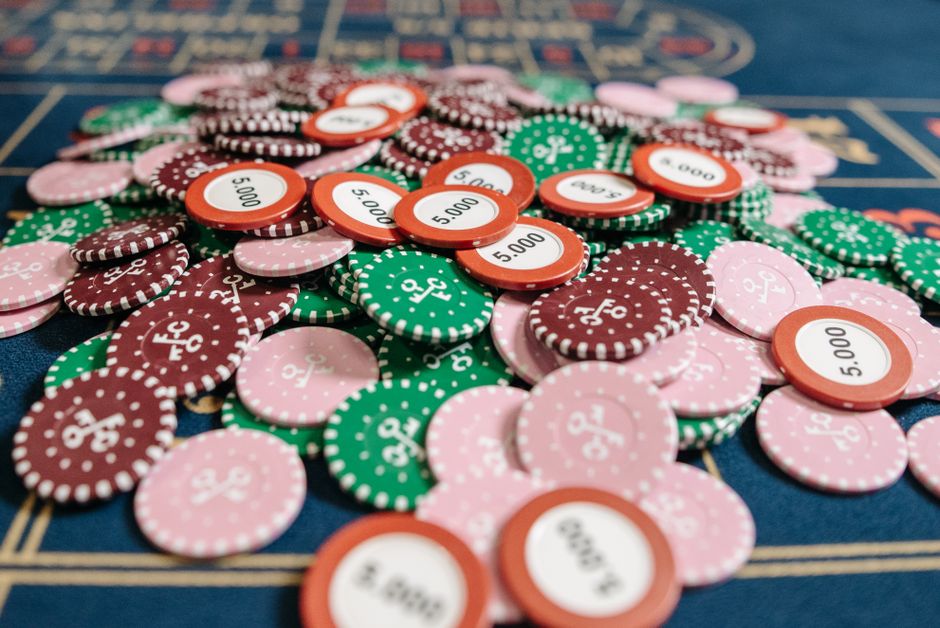
You’ve seen the ads: a smug guy in a cheap suit hitting a jackpot on a slot machine, or a poker pro staring down a bluff with absolute certainty. The iGaming industry loves a good highlight reel. But ask anyone who actually pays their rent with this stuff, and they’ll tell you the same thing: the flashy wins are just noise. The real story is in the numbers, the habits, and the cold, hard math that separates a profitable session from a donation to the casino’s bottom line.
Whether you're spinning slots, grinding poker tables, or betting on the weekend fixtures, the landscape has changed. It’s no longer just about gut feeling—it’s about understanding the ecosystem you’re playing in. Let’s cut through the marketing fluff and look at what actually moves the needle.
RTP, House Edge, and the Myth of the "Hot" Machine
Let’s start with the bedrock of casino gaming: Return to Player (RTP). This is the percentage of all wagered money a game is programmed to pay back to players over time. A slot with a 96% RTP keeps 4% for the house. A 94% slot keeps 6%. Sounds minor, right? Over 10,000 spins, that 2% difference is massive. But here’s the catch—RTP is a theoretical average calculated over millions of spins. In a single session, variance rules everything.
This is where the “hot machine” myth dies. A slot machine doesn’t have a memory. It doesn’t know it just paid out a jackpot, and it doesn’t know it’s been cold for three hours. Each spin is an independent event generated by a Random Number Generator (RNG). The RNG cycles through thousands of numbers per second. When you hit spin, it freezes on one combination. That’s it. No patterns, no cycles, no “due” wins.
So why do experienced players care about RTP? Because it dictates your expected value (EV) over the long haul. If you’re playing for entertainment, pick a game with a theme you like. If you’re playing to win, you hunt for the highest RTP and the lowest volatility that matches your bankroll. For example:
- Low volatility slots: Frequent small wins. Great for stretching a small bankroll, but you won’t hit life-changing sums.
- High volatility slots: Long dry spells followed by huge payouts. Needs a deep bankroll and nerves of steel.
The smart move? Check the game’s info screen. Reputable providers list RTP publicly. If a casino hides it, walk away.
Poker: Where the Fish Are, and Why You’re Probably One of Them
Poker is the only game in the casino where you play against other people, not the house. That’s both the beauty and the trap. The house takes a rake—a small cut of each pot—so you’re not battling the casino; you’re battling the other players. If you can’t spot the fish at the table within 30 minutes, you are the fish. A good place to continue is สล็อตเว็บตรง.
Online poker has evolved. The days of loose, drunk players on every table are mostly gone at mid-stakes. But at micro-stakes, the fish still swim. The key is game selection. Don’t just sit at the first available table. Watch the lobby. Look for tables with a high percentage of players seeing the flop (VPIP). A table where 50% of players limp in every hand is a goldmine. A table where everyone folds to the blinds is a grind.
Then there’s the math. Pot odds, implied odds, equity realization. You don’t need to be a wizard, but you need to know when a call is profitable. Example: You have a flush draw on the turn. The pot is $100, and your opponent bets $20. You’re getting 6-to-1 odds. Your chance of hitting the flush on the river is roughly 4-to-1. That’s a profitable call in a vacuum. If you miss, you fold. If you hit, you extract more money. That’s the game.
And for the love of all things holy, stop slow-playing aces pre-flop. It’s the most overrated play in low-stakes poker. You let the big blind see a cheap flop with 7-2 offsuit and flop two pair. Congrats, you played yourself.
Sports Betting: Line Movement, Closing Odds, and Beating the Close
Sports betting is not about picking winners. It’s about finding value. The bookmaker’s job is to set a line that attracts equal action on both sides, ensuring a profit via the vig (commission). Your job is to find spots where the bookmaker has mispriced the probability.
The most reliable metric for long-term success is “beating the closing line.” The closing line is the final odds before the event starts, after all sharp money has poured in. If you consistently bet at better odds than the closing line, you’re a sharp bettor. If you’re always getting the worst of it, you’re the square the bookmakers love. How do you do it? Line shopping. Having accounts at multiple sportsbooks is non-negotiable. A half-point in the NFL can be the difference between a push and a win. A 10-cent difference in baseball moneyline odds adds up over 500 bets.
Also, forget parlay lottery tickets. They’re fun for a $5 sweat, but they are not an investment strategy. The house edge compounds with every leg you add. A two-team parlay at -110 each has a house edge of roughly 9.5%. A ten-team parlay? You’re better off lighting the money on fire for warmth.
The Psychological Trap: Tilt, Chasing, and the Sunk Cost Fallacy
You can know every statistic in the book and still go broke. Why? Because iGaming is designed to exploit human psychology. The slot machines use flashing lights and celebratory sounds—even when you lose—to keep you engaged. The poker table tempts you to “get even” after a bad beat. The sportsbook offers live betting so you can double down on a losing team.
The single most destructive habit is chasing losses. It’s the sunk cost fallacy in action: “I’ve already lost $500, I can’t stop now.” Yes, you can. And you should. The money is gone. The next bet is a new decision. If you wouldn’t make that bet with a fresh bankroll, don’t make it with a bruised one.
Set hard stop-loss limits. For example, if you lose 30% of your session bankroll, walk away for 24 hours. No exceptions. Also, track your bets. A simple spreadsheet—date, game, stake, result—will show you exactly where your money goes. Most people are shocked to find that 80% of their losses come from 20% of their bets, usually the impulsive ones.
The Future: Skill-Based Games and the Rise of the "Prosumer"
The iGaming world is shifting. Slots are still the cash cow, but skill-based games—like daily fantasy sports, eSports betting, and live poker variants—are growing. The modern player is a “prosumer”: someone who consumes content about strategy, uses tracking software, and treats gambling as a side hustle, not a lottery ticket.
If you want to survive in this ecosystem, adopt that mindset. Learn the math. Manage your bankroll like a business. Accept that losing sessions are the cost of doing business. And never, ever play with money you can’t afford to lose.
At the end of the day, the house always has an edge. Your goal isn’t to beat the house—it’s to beat the other players, the bad odds, and your own impulses. Do that, and you’ll last a lot longer than the guy chasing a jackpot on a machine that’s “due.”


